New builds
Polished Concrete for New Builds
The best polished concrete floors are planned before the slab is poured. On a new home or extension, a few decisions made early decide how much stone shows, how even the floor looks and what it costs to finish.
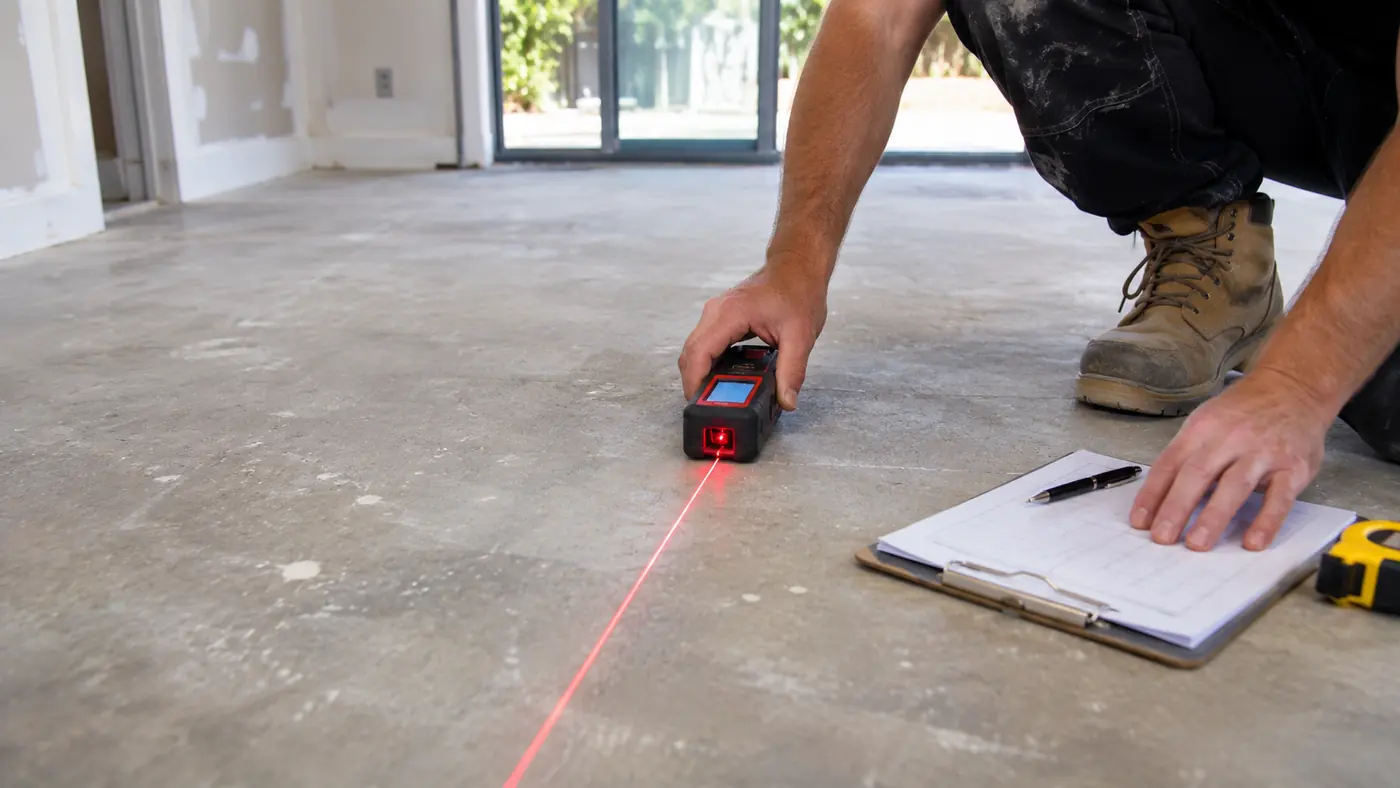
Why Plan Before the Pour
Once a slab is poured, the mix, the aggregate and the way it was finished are fixed. Polishing can only work with what is there. Bringing the polisher into the conversation with the builder and concreter while the slab is still being planned keeps the most options open.
What to Tell the Builder and Concreter
- That the slab will be the finished floor, not covered with tiles or timber
- The stone exposure you want, so the mix and aggregate suit it
- Where saw cuts and joints will go, so they line up with rooms and doorways
- That the surface should be finished as flat and even as practical
- That the slab needs protecting from trades for the rest of the build
Curing and Timing
Concrete keeps gaining strength for weeks after it is poured. Rather than relying on a fixed number of days, the slab should be checked for strength and moisture before polishing starts, particularly if a sealer will be applied.
On most builds, polishing fits after the noisy and messy trades have finished and before cabinets, skirting and final fit-off, so edges can be ground cleanly.
Protecting the Slab During Construction
The most common problems on new slabs come from other trades: plaster and paint spills, oil from machinery, rust marks from steel left lying on the floor, tyre marks and gouges. These can show through the finished polish.
Covering the slab with protection board and keeping steel and drums off it costs far less than trying to grind marks out later.
Pipes, Conduits and In-Slab Heating
Plumbing, electrical conduits and hydronic heating need enough concrete cover to survive grinding, especially for full stone exposure. Record where they run and how deep, and pass the plans to the polisher before work starts.
Every slab is different
This guide covers what usually applies. Your slab, finish and site decide the details, which is why the floor is inspected before it is quoted.
More Guides
Polished Concrete for New Builds: FAQs
When should the polisher be involved in a new build?
Ideally before the slab is poured, so the mix, finish and joint layout can be planned around the floor you want.
How long after pouring can a slab be polished?
It depends on the concrete, the weather and the system used. The slab should be checked for strength and moisture rather than relying on a set number of days.
Can an extension slab match the existing house slab?
Rarely exactly. Different pours, mixes and ages give different colours and stone, so a visible change at the join is normal.
Can full stone exposure be achieved on any new slab?
Only if there is enough aggregate near the surface and enough cover over services. Planning the mix and depth before the pour makes it far more likely.